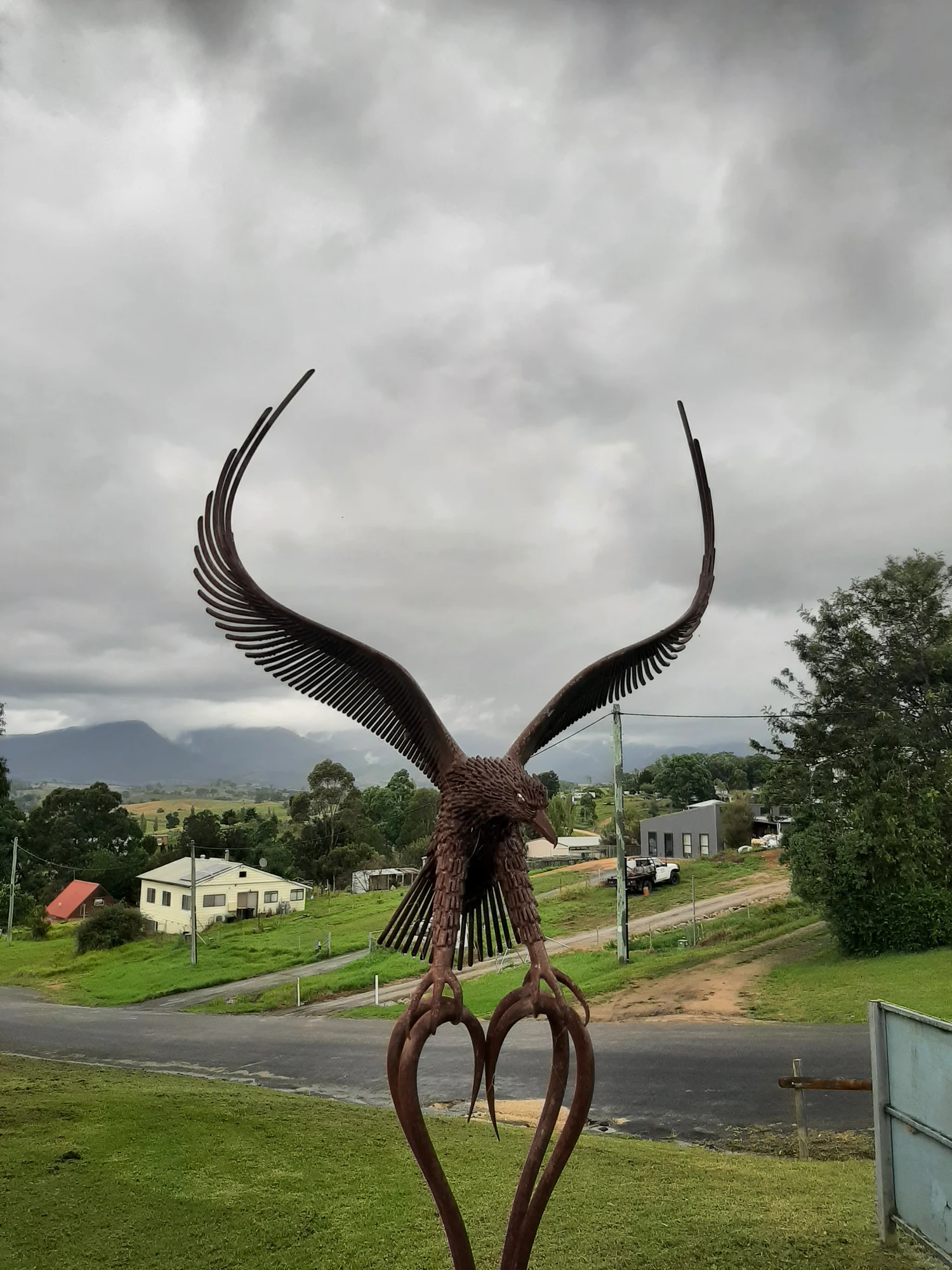
Thomas Westra · Sculpture Bermagui 2020
Landed
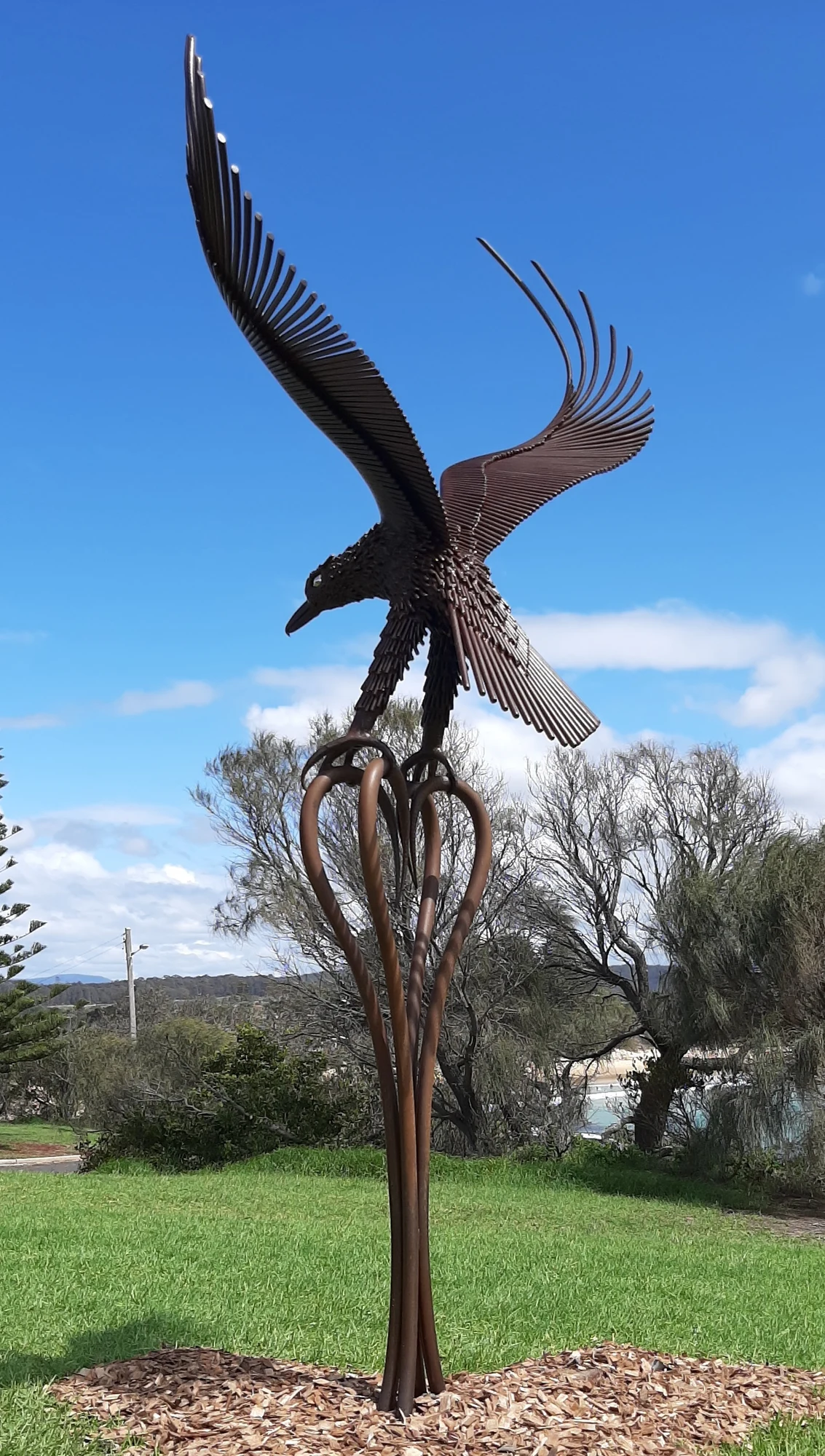
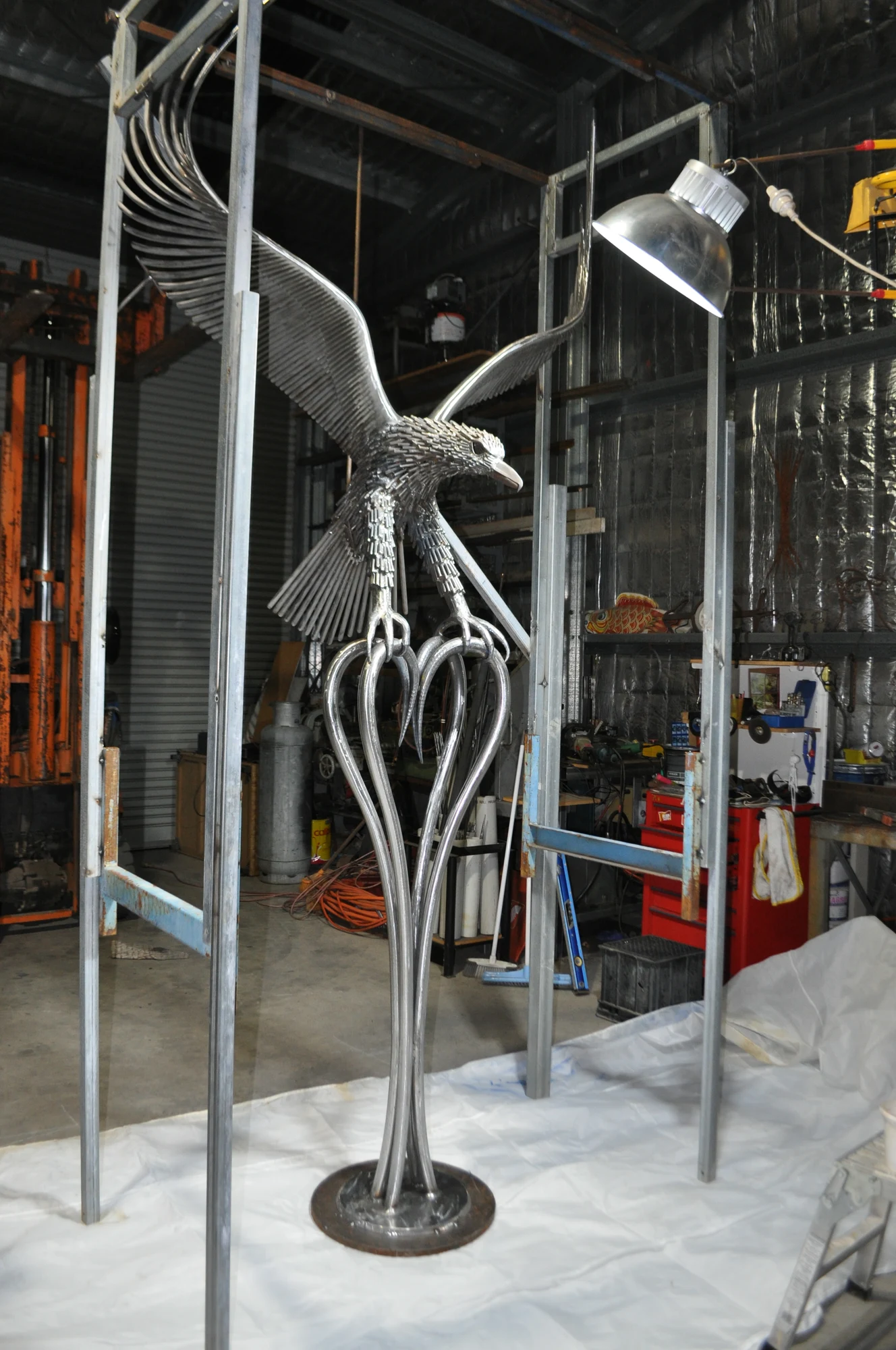
I made Landed to mark a moment in my life and to think about what we hold on to after years of searching and discovering. I chose an eagle for its freedom to soar, its sharp eye for searching, and the strength of its grip. The heart stands for the passions that give our lives direction. I brought them together at the moment of landing, with the eagle’s wings still raised and its talons wrapped around the heart.
Sold
- Materials
- Forged and welded steel with a rust patina, and mirror-polished stainless steel eyes
- Dimensions
- 280 cm high × 180 cm wide × 100 cm deep
- Weight
- Approx. 300 kg
- Awards
- Acquisitive first prize and Outdoor People’s Choice, Sculpture Bermagui 2020
- Permanent installation
- Bemboka, NSW
The eagle and the heart
I was interested in the way an eagle searches, finds and holds fast. I used that same physical gesture to express something personal. By giving the bird a heart to grip, I could make the act of holding on as important to the work as the eagle’s ability to fly.
How it was made
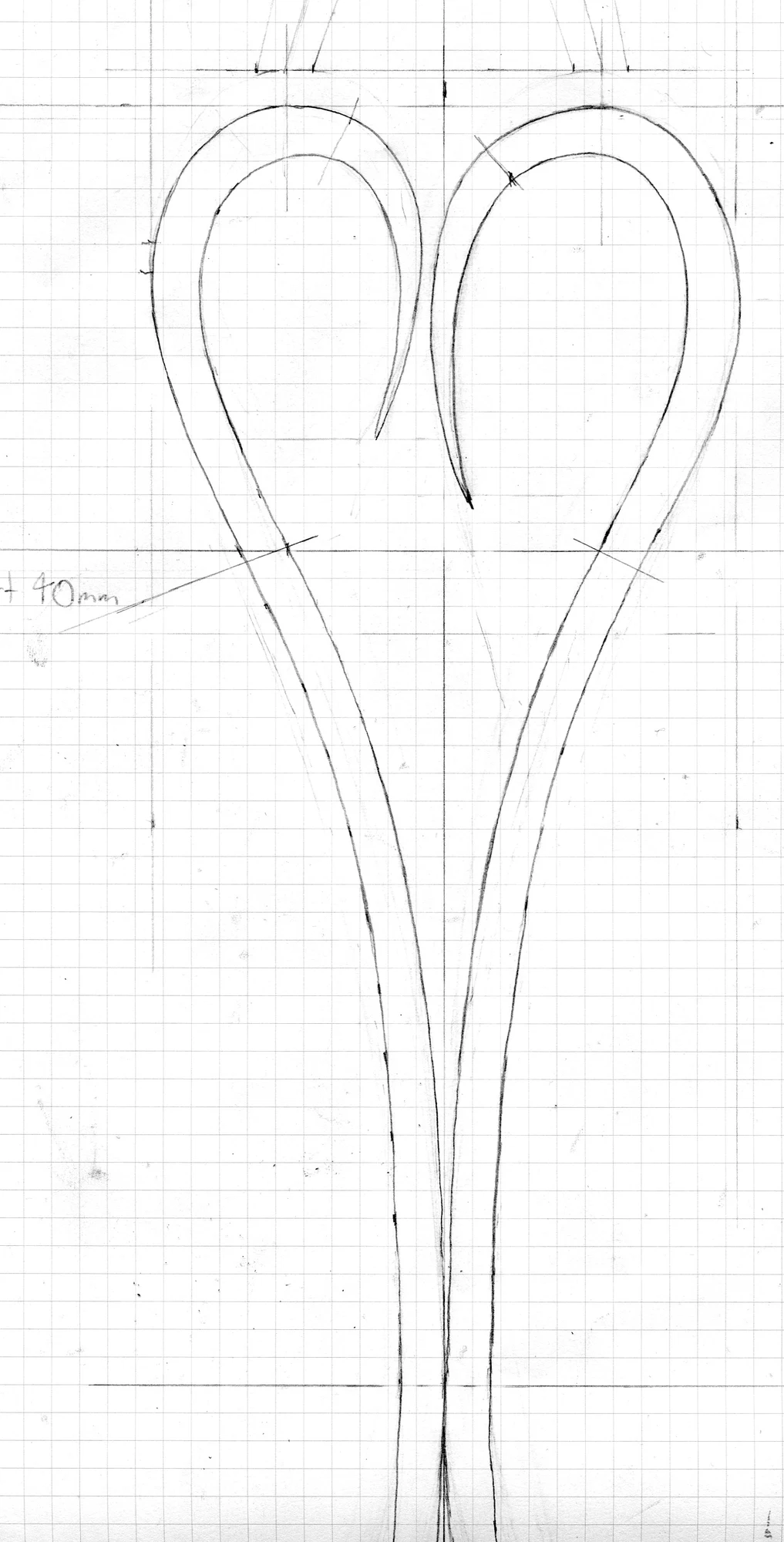
Drawing the heart and building the eagle
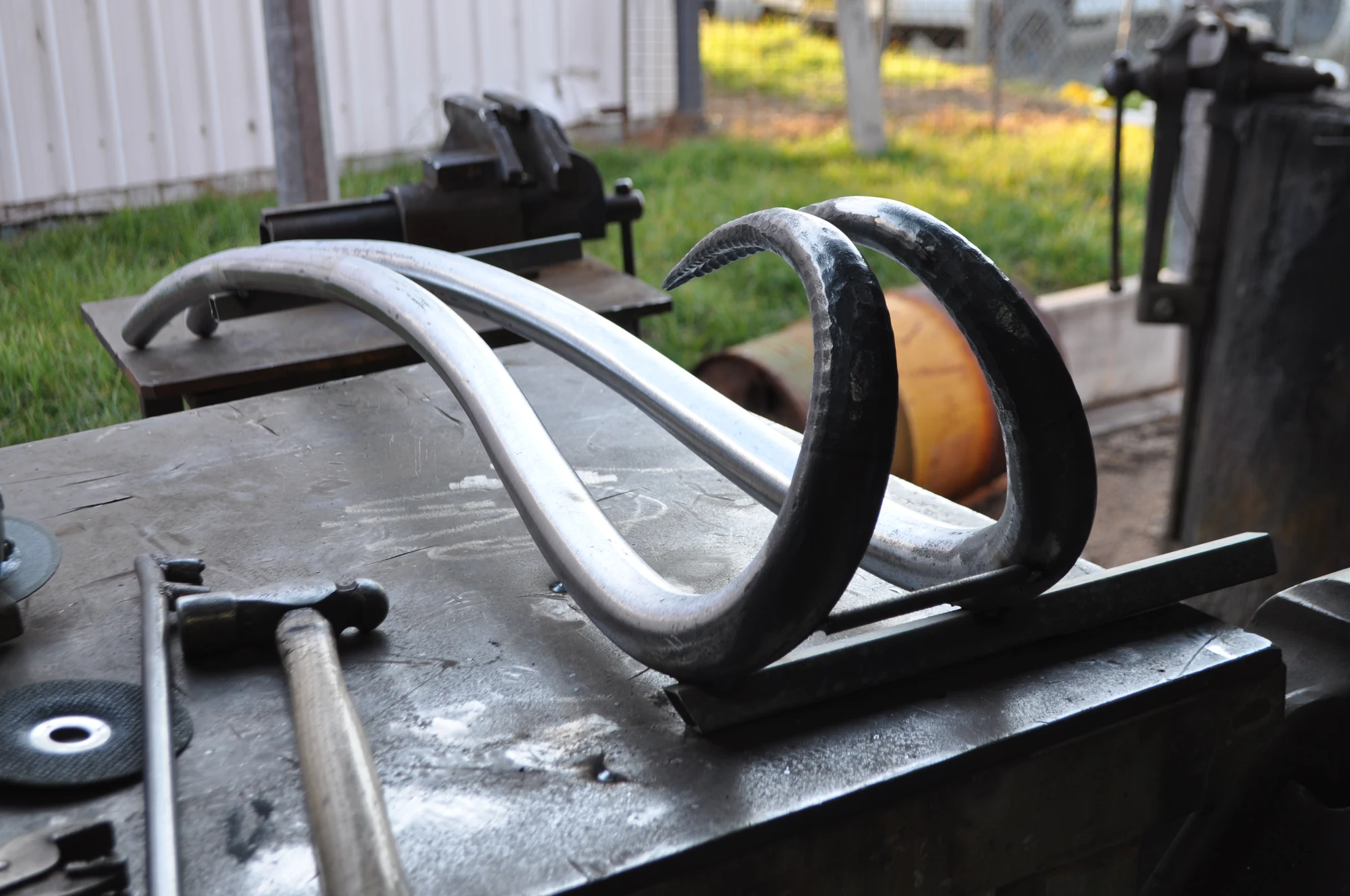
The heart had to carry both the idea and the weight of the eagle. I drew it as a series of tapering curves, leaving the centre open so the talons could wrap visibly around it. In the studio, I built up the steel body over a clay model, using it to guide the shape as I fitted the individual pieces.
Teaching the robot to forge
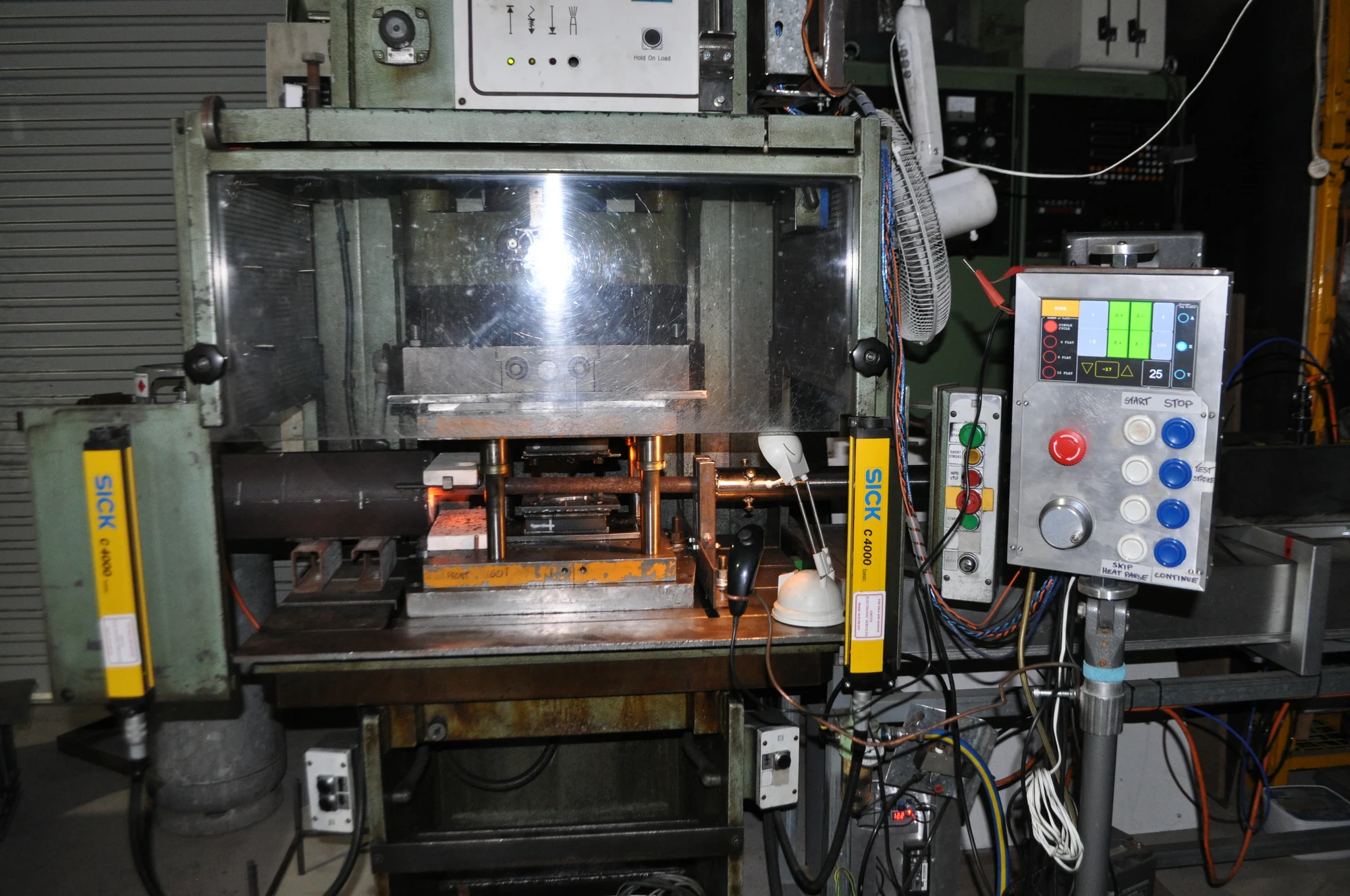
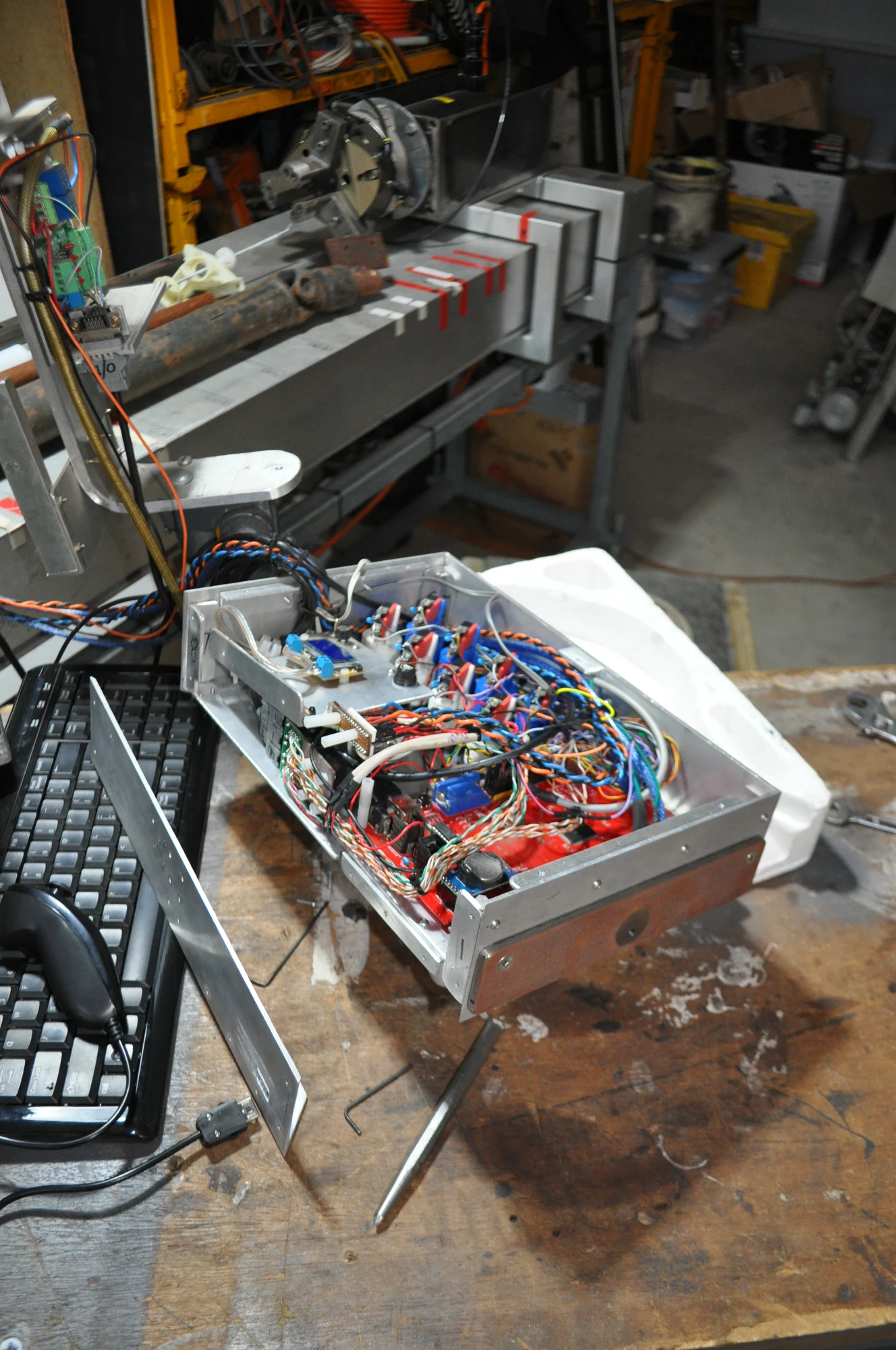
I’d built my robotic blacksmith to taper 16 mm bar for the lizard tails I make in the studio. The heart of Landed called for solid 45 mm round steel bar. To give those much heavier bars the taper I’d drawn, I adapted the machine and rewrote the software that controls how it feeds hot steel through my 63-ton hydraulic press.
I added a Nunchuk-style game controller so I could guide the manipulator by hand and teach it the movements for the talons and the heart tapers. Sitting at the controller, I could work out how to present the hot steel to the press and build up the shape over successive passes.
Bringing the curves together
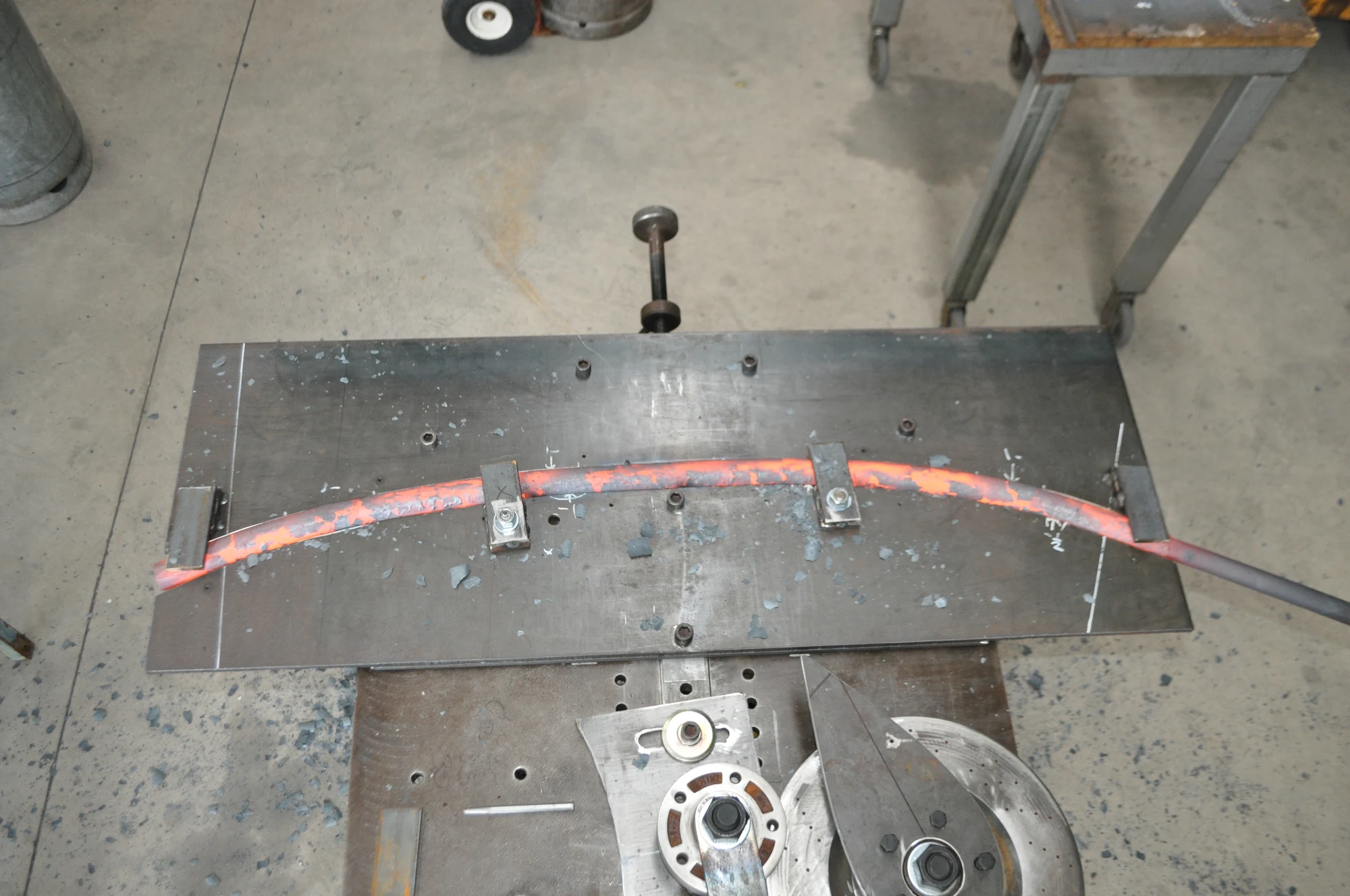
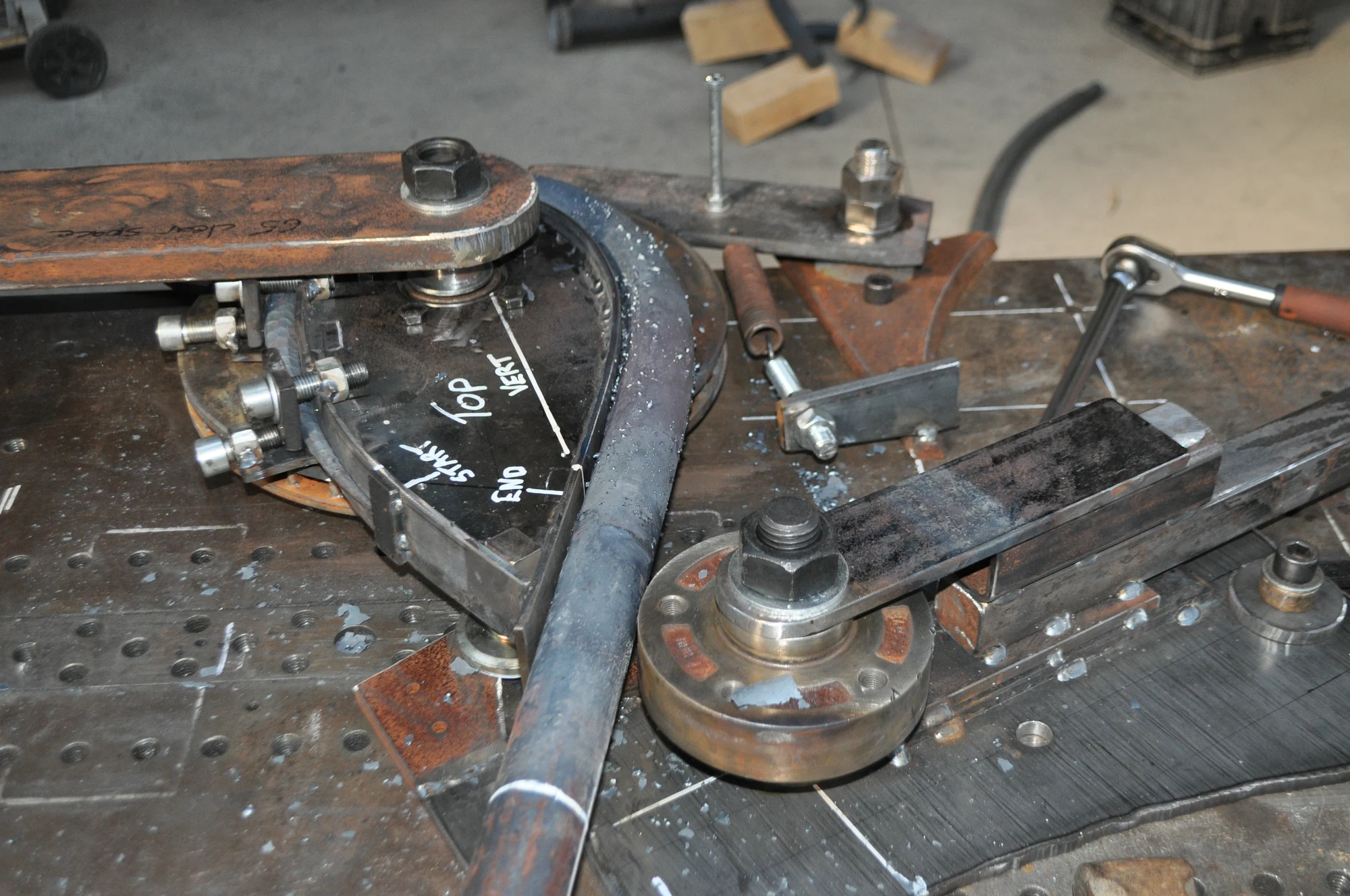
Once I had the tapers, I used a purpose-built jig to form the bends. The forging gave the bars their changing thickness. The jig let me bring those bends into the sweep I wanted for the two halves of the heart.
Wings, talons and final assembly
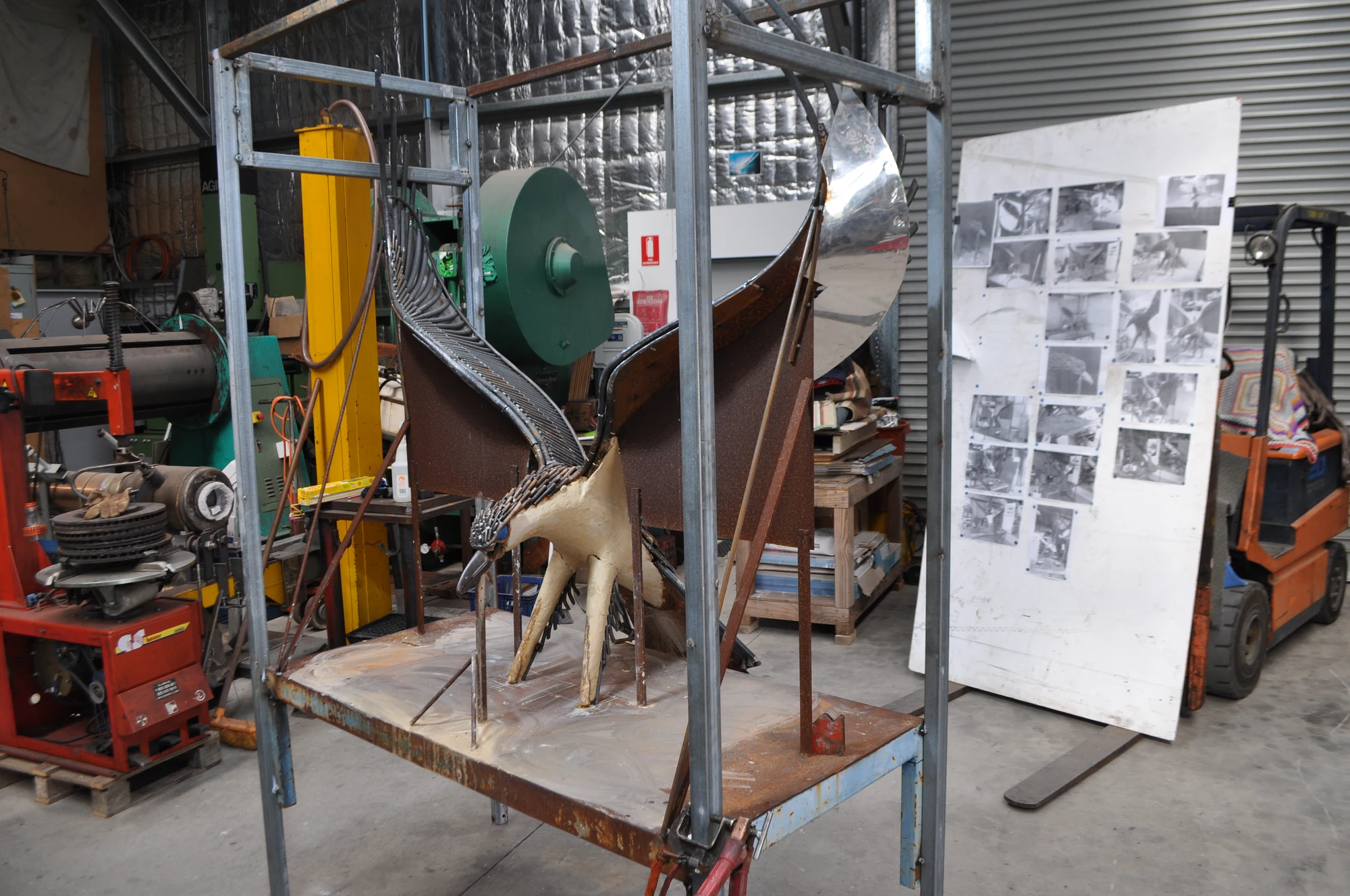
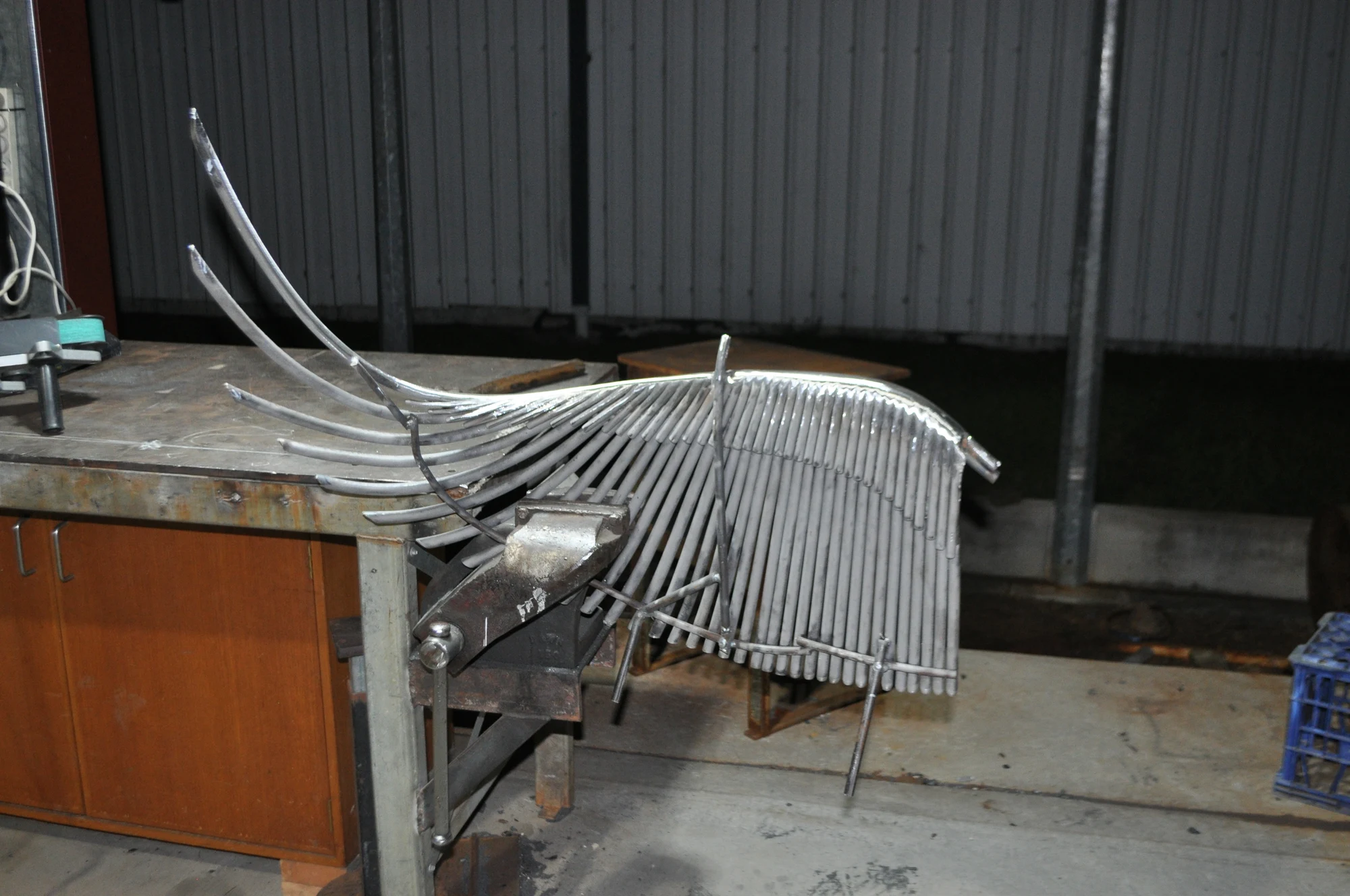
Hundreds of hours went into forming, fitting and welding hundreds of separate pieces, many of them offcuts from my production work. I built the wings in layers and made the eagle’s eyes from mirror-polished stainless steel. Against the rust patina, the eyes catch the light and draw attention to the eagle’s gaze.
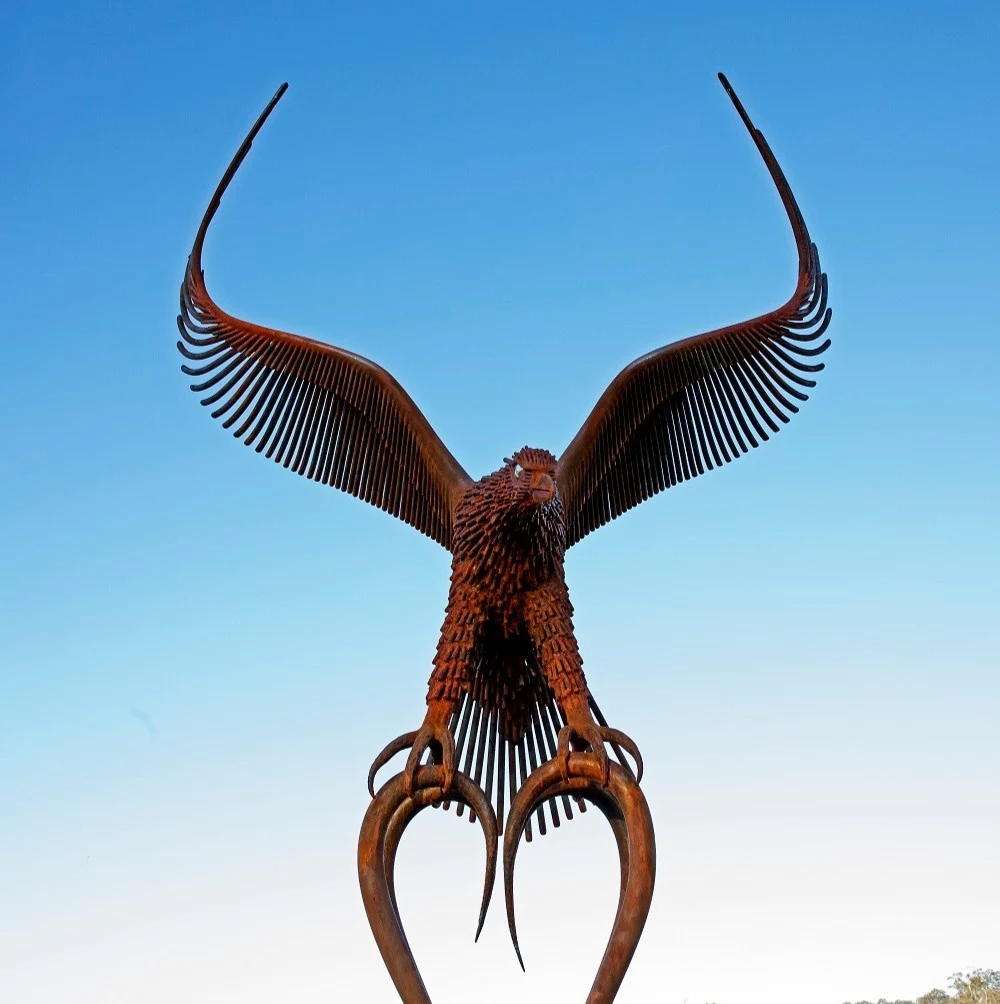
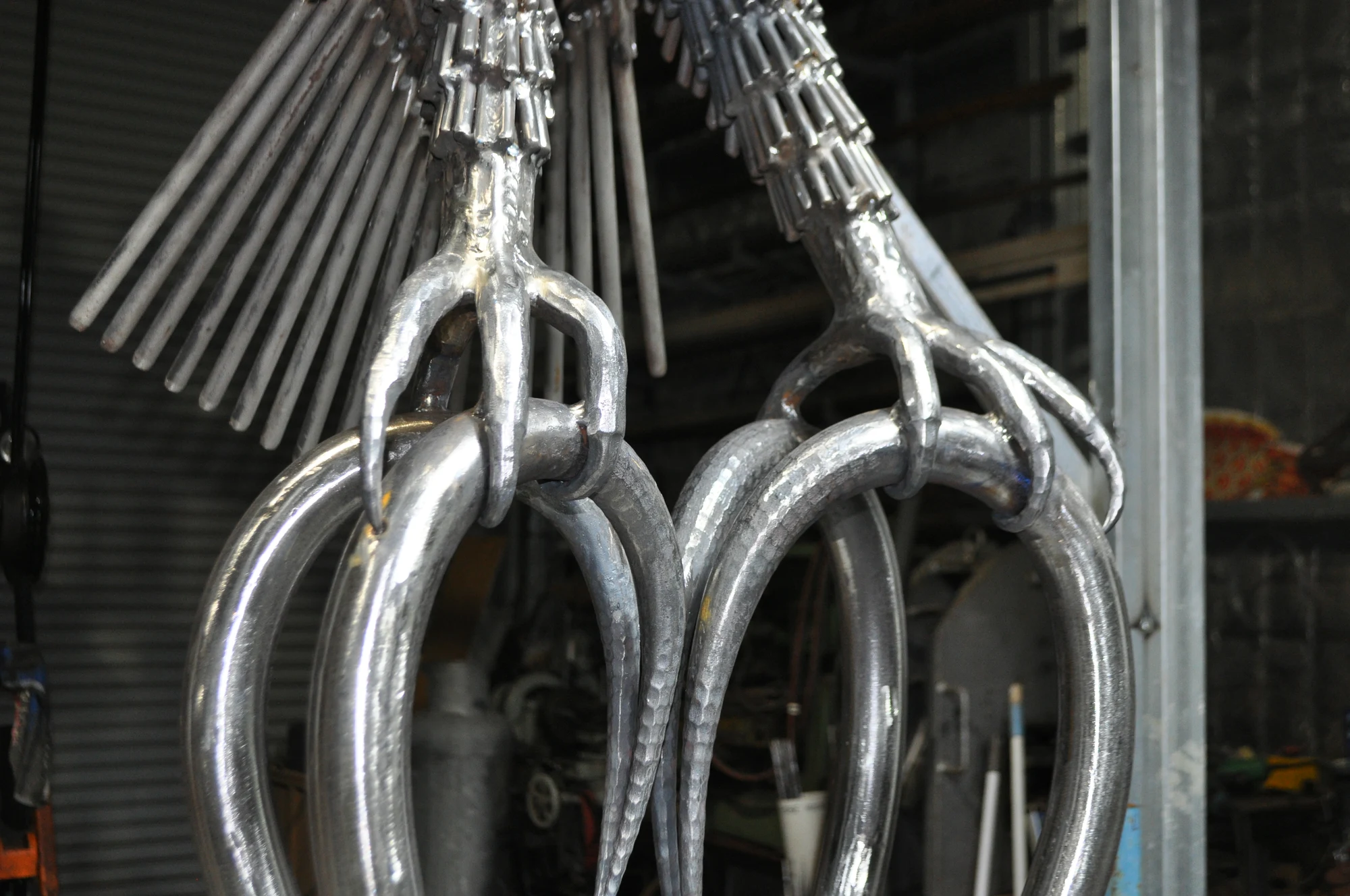
I wanted the talons to look as though they were taking hold of the heart. Seeing the full sculpture upright in its build frame brought that gesture into view, from the grip of the feet to the sweep of the wings.
A permanent home in Bemboka
Landed won the acquisitive first prize and the Outdoor People’s Choice award at Sculpture Bermagui in 2020. After acquiring the work, Bega Valley Shire Council chose Bemboka for its permanent installation.
The sculpture arrived in the aftermath of the bushfires. I was glad to hear that people in Bemboka welcomed it. A work I’d made to celebrate what we hold on to had found a home in a town going through its own recovery.